Category: Uncategorized
-
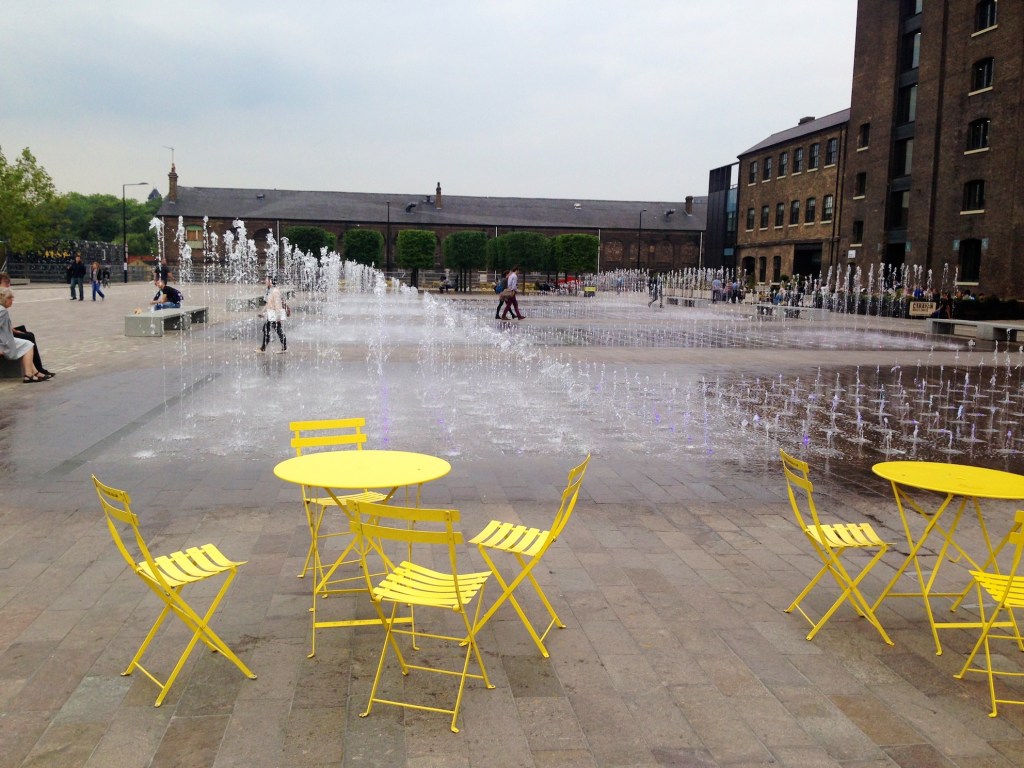
King’s Cross – An extraordinary part of London is finally taking shape?
After visiting the Broadgate Estate in the City (see my previous post), I was delighted to see that the developers at Kings Cross decided to propose a truly mixed use development, and also to keep and reuse the remaining railway buildings and structures. Although most of the project is still under construction, I was able…
-
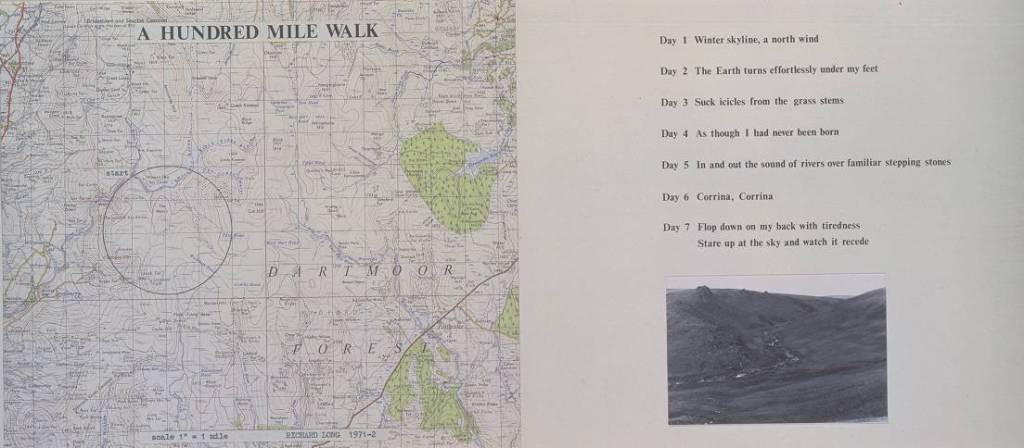
Richard Long; measuring the environment through space, time and physicality
Richard Long creates environmental art by having physical engagement with the landscape, without it being of a particularly intrusive nature. Long’s work appears in several different forms from mud paintings within a gallery space to marking in the landscape. There is a psycho-geographic connotation to his work as he records spontaneous interactions with the landscape…
-

Biomimicry – beyond sustainable
Biomimicry is an approach to design based on studying biological forms and processes. Fauna and flora has phenomenal abilities to adapt to changing temperature and humidity, achieve structural strength and grow from surrounding physical medium. Remarkable selection of solutions, found in nature, have been refined by 3.8 billion years of evolution and with latest technological…
-

Photographic dreams
Review of William Eggleston´s work. Particularly the book: William Eggleston’s Guide. Second edition 2002 The Museum of Modern Art, New York by John Szarkowski and William Eggleston. William Eggleston is considered a pioneer in modern colour art photography. His work is an important document about Landscape architecture in U.S.A. It not only reveals how people used…
-
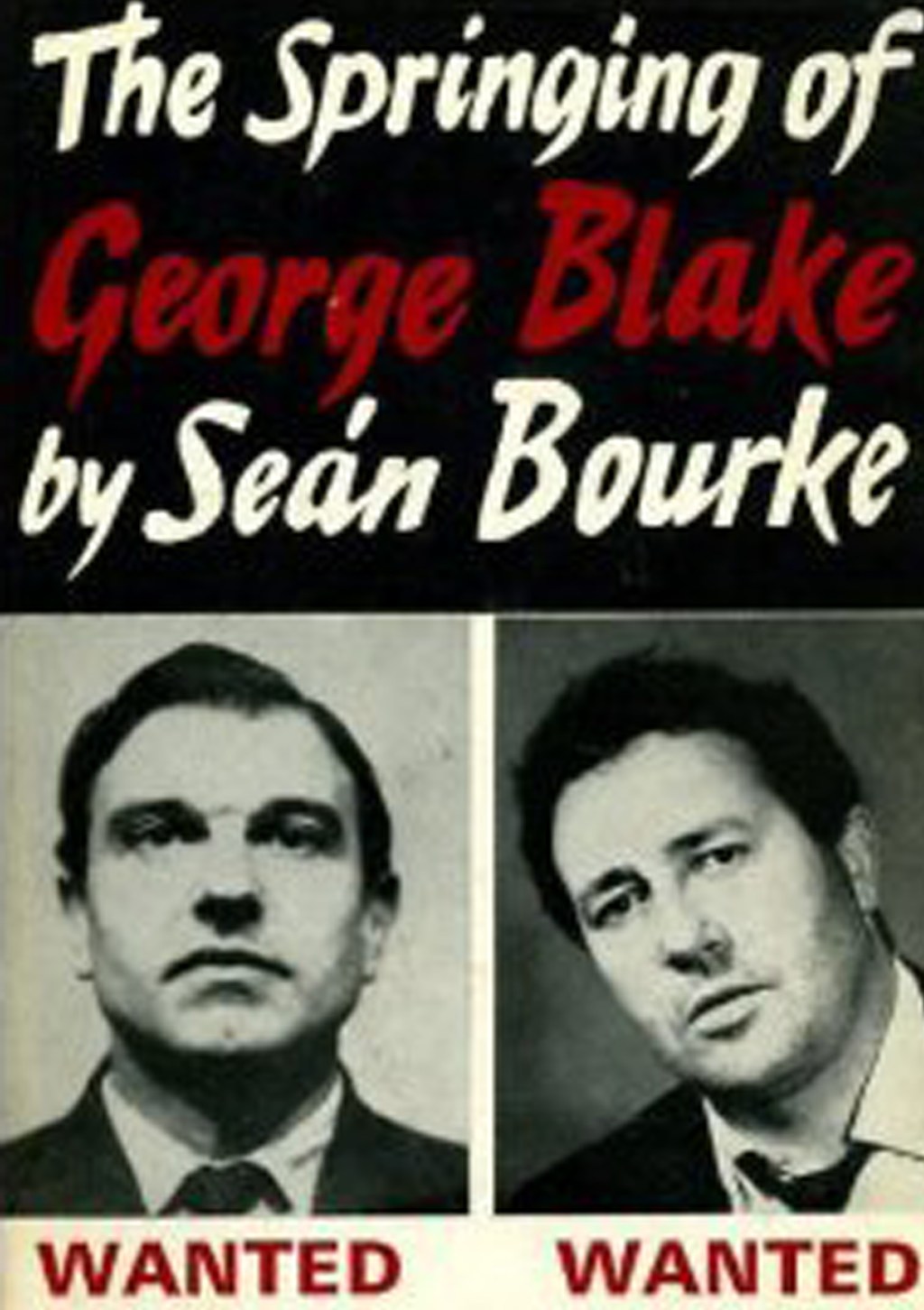
Bourke’s emotive communication with the landscape
‘The Springing of George Blake’ by Sean Bourke graphically details preparations for the escape of George Blake from Wormwood Scrubs Prison. Blake was a KGB double agent who in 1964 was given a 42-year sentence, each year a symbol of every British spy he betrayed, and led to his or her death. The event was…
-
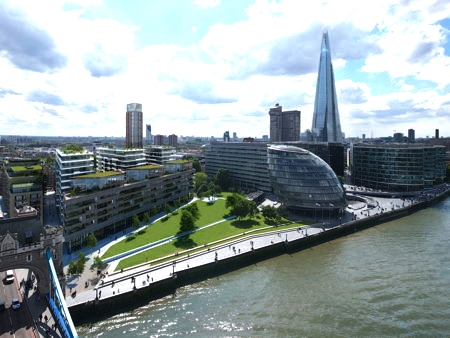
The Potters Field Park, London
Potter Field Park is a redesigned park as a part of 100 public spaces programme. It is located near the Greater London Authority building, on the south bank of the River Thames, designed by Foster and his partners. (This picture is taken from internet. http://www.london-se1.co.uk/news/view/5887) The park is facing the River Thames, which has a…
-

The John Madejski Garden in V&A Museum
The John Madejski Garden opened on 5 July 2005 and is a central part of the V&A’s. The design of the garden is very simple, only several elements were involved into the design: well-kept lawn (learn how to make the same perfect lawn with Contractor Culture) and fountain, but the design is very consistent with…
-
The Whitten Timber Story
I went to see Something Very Extraordinary – The Whitten Timber Story at the Peckham Platform in August 2014. This was an archival exhibition exploring the history of a local timber merchant, which included rare images of the Grand Surrey Canal, the subject of my final MA project. The black-and-white photographs of the canal were very…
-
Siobhan Davies Planting Steps Walk
I recently went on the Planting Steps walk organised by the Landscape Institute and Siobhan Davies Dance studios, led by Johanna Gibbons and Paul Lincoln, to look at green infrastructure along the way from City Hall to Elephant and Castle via Bermondsey. The walk was part of Siobhan Davies Human-Nature series exploring the dynamics of…
-
Beginner’s Toolkit to Permaculture
I attended the London Permaculture Festival on Sunday 6th July. I listened to talks on DIY self-watering systems, container growing and aquaponics, made a bug hotel with my son, bought amazing plants and browsed the stalls. Among everything else I bumped into an old friend, permaculture teacher and designer Hedvig Murray. She had created a…
 The Landscape